Real cost of manual invoice errors in maritime freight, by error and invoice volume. Includes the magnetic charges typo, a 0.18 USD per-invoice difference, 18,000 USD in annual overcharges across 100,000 invoices, 3.6% of freight spend, quarterly rate card changes across a dozen providers, and automated audit against agreed rate cards, explained by a supply chain data team.
Table of Contents
- Did you know...
- How much do freight invoice errors cost per year?
- Why can't invoice errors be caught manually?
- How does automated invoice auditing stop overcharges?
Did you know...
...that a billion-dollar industry like maritime freight still relies heavily on manual processes?
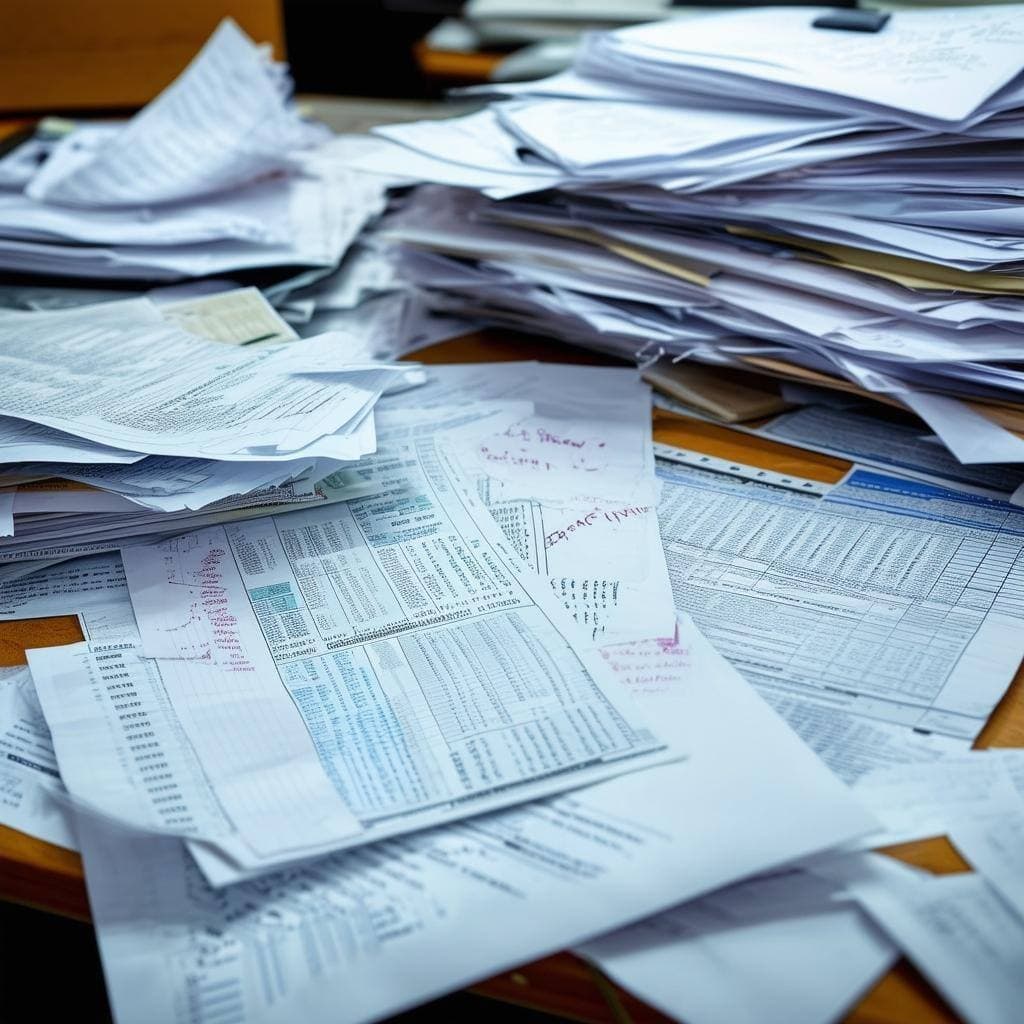
That's right, many billion-dollar transactions are still based on hand-filled Excel sheets and paper invoices. Imagine someone making a mistake where "magnetic charges" are auto-corrected to "magnetic chairs." Sure, it sounds humorous, but in reality, it leads to confusion and a lack of clarity about what's actually being paid for.
How much do freight invoice errors cost per year?
Now let's look at a more costly scenario: Imagine having 0.53 USD on your invoice instead of 0.35 USD for a handling charge. That's an 0.18 USD difference per invoice, which might seem insignificant. But when multiplied by a company that processes 100,000 invoices annually, this small mistake could result in overcharges of 18,000 USD per year, just from a simple typo.
Now consider that transportation typically represents 5% of a company's total revenue. If we assume an average company handling goods has annual revenues of around 10 million USD, this 5% equates to 500,000 USD spent on freight. A mistake leading to an 18,000 USD loss in overcharges represents 3.6% of that company's total freight costs!
Why can't invoice errors be caught manually?
An average company relies on a dozen service providers, each of whom often changes their rate cards quarterly. Cross-referencing these frequent updates with 100,000 invoices is practically impossible at scale, creating a perfect storm of manual work, where errors like this become inevitable
How does automated invoice auditing stop overcharges?
The solution? Automation. By automating the audit process, companies can transform messy, error-prone invoices into readable formats and automatically compare charges against agreed rate cards. This way, companies can easily spot overcharges without spending countless hours on Excel. You'll know exactly how much you've been overcharged, and by whom. In an industry of this size, it's not a matter of if you've been overcharged, but by how much. Isn't it time we embraced automation?
By our amazing intern Maryam El Yaagoubi
At TetriXX AI, we are obsessed with effective utilization of modern technologies to transform and improve how our clients do business. We would love to hear your take on this topic and, of course, would be happy to discuss with you many ways in which we can help you become a more competitive Supply Chain player in your specific domain. Find us at tetrixx.ai for more details.