Real decision time in supply chain, by stage. Includes detection, interpretation, decision and execution delays, how to time your own loop, the schedule impact of the Red Sea diversions and Panama Canal rationing, and inventory carrying cost at current interest rates, explained by a supply chain data team.
Three things arrived at once this winter: ships going the long way round Africa, a canal rationing its own water, and money that finally costs something. None of them can be answered with a fuller warehouse. All of them can be answered faster or slower, and the difference is measured in days.
Table of Contents
- What does supply chain agility actually mean?
- Why doesn't more inventory solve the Red Sea and Panama disruptions?
- What are the four delays in a supply chain decision cycle?
- How do you time your own decision cycle, and what does a short one look like?
- Why is decision speed a data problem?
- Key Takeaways
What does supply chain agility actually mean?
Ask a supply chain director whether the company is agile and the answer is yes. Ask how many days passed, during the last disruption, between the event itself and a decision reaching carriers, planners and customers, and the answer is usually a shrug.
That gap is the subject of this article. Agility, in the sense used here, is elapsed time: the number of days between a change in the world and a committed decision about it. Committed means agreed, funded and released to the network, not talked over in a meeting or parked in a strategy deck.
The definition is narrow on purpose. "Agile supply chain" has come to mean almost anything: more suppliers, more warehouses, more scenario planning, more software. All of these may help, but they are inputs. What can actually be measured is the output, and almost nobody measures it. The few companies that have put a stopwatch on themselves tend to be surprised by the result.
Why doesn't more inventory solve the Red Sea and Panama disruptions?
The past few weeks make an unusually clean test case, because the shocks arrived as changes in timing and cost rather than as shortages. There was nothing to hoard, only a schedule to tear up and rebuild.
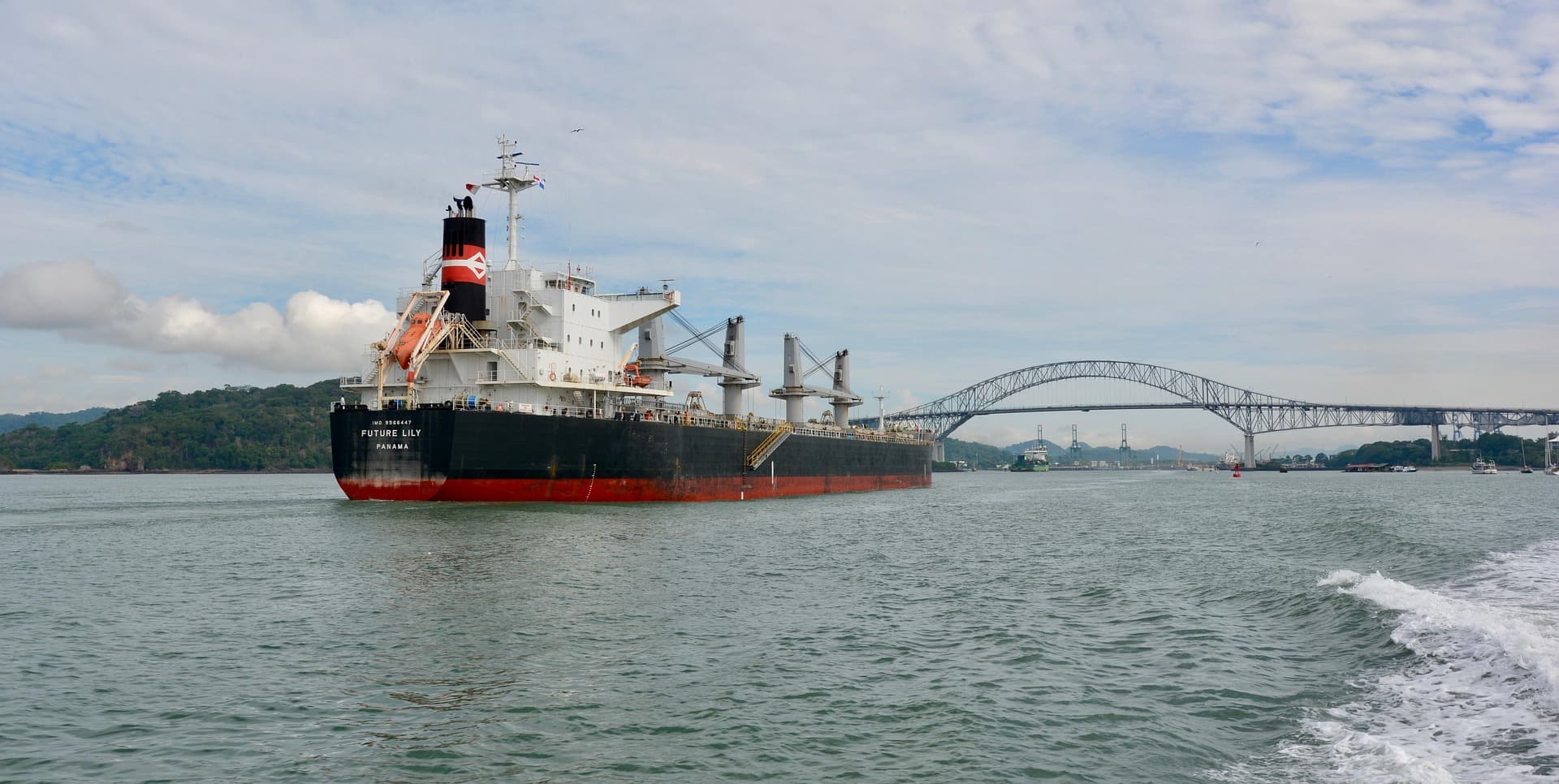
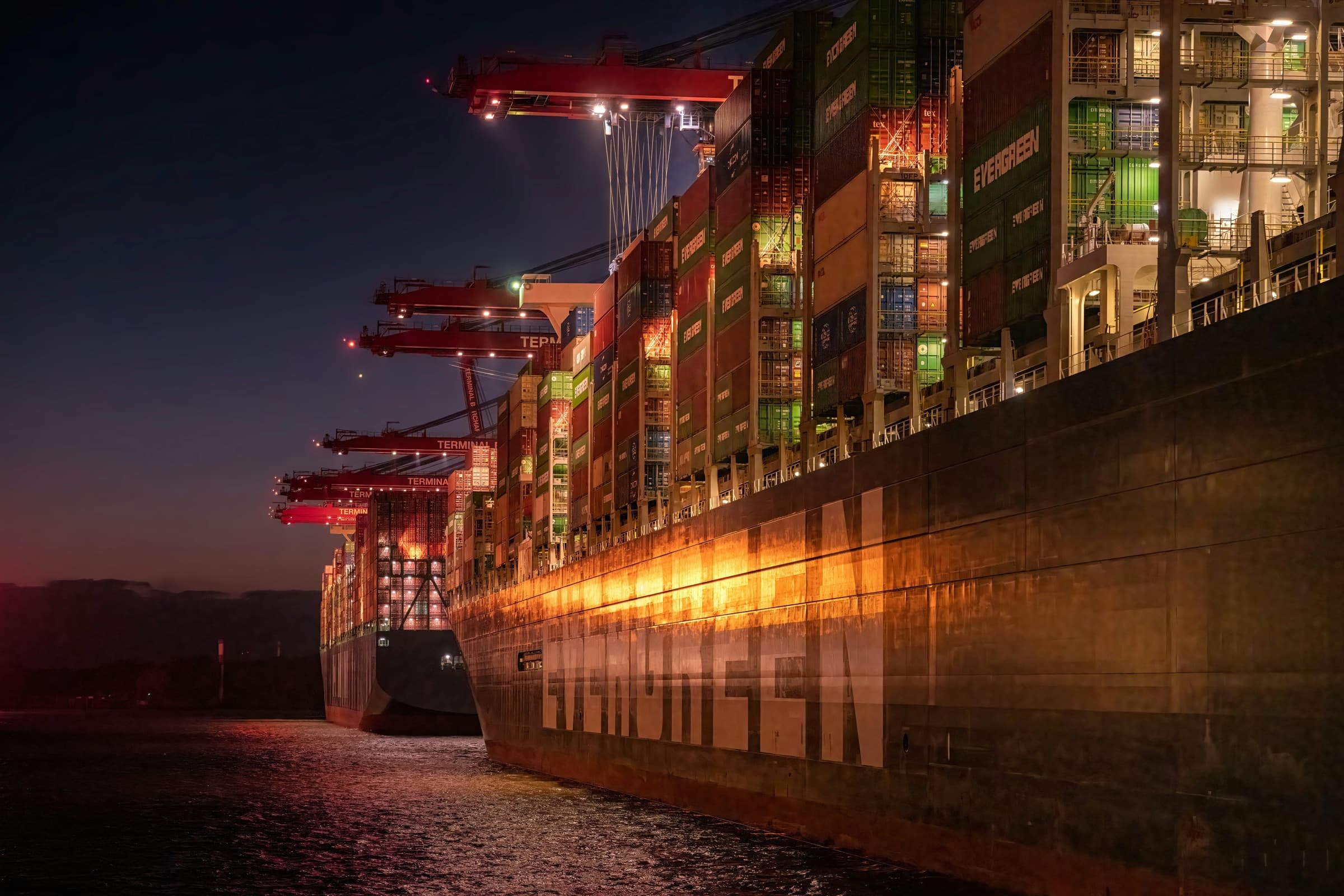
Start with the Red Sea. Since mid-December, major carriers have suspended Suez transits and rerouted their Asia-Europe services around the Cape of Good Hope. The ships can make the trip; that was never the problem. The problem is that ten days to two weeks of extra sailing time hit thousands of shipments at a stroke, and the delay cascaded through arrival dates, berth windows, inland collections, warehouse rosters and delivery promises. Spot rates on Asia-North Europe more than doubled between mid-December and mid-January, so the bill moved as fast as the schedule. A company able to restate every affected ETA within a day or two, and reprice the lanes in the same pass, lived through this as an inconvenience. A company caught flat-footed, finding out only when a container failed to show up, lived through it as a crisis, weeks later, one customer complaint at a time.
Panama poses a different problem. Drought has throttled the canal to well below normal capacity, and the Canal Authority now rations daily transit slots, revising the quota as water levels allow. There is no single step change to absorb here, just a constraint that keeps moving. Any plan that treats canal capacity as a fixed number is wrong the day it is published.
Neither shock can be answered with a warehouse, which brings in the third pressure: the price of money. Holding stock has always been a way of buying time with capital. When capital cost nothing, that purchase got waved through without a second look. It costs something now. US policy rates are at their highest in over twenty years, European rates are not far behind, and carrying inventory is commonly estimated at twenty to thirty percent of its value per year. Weeks of extra cover now show up in the financing line, and CFOs have started combing through numbers they used to sign off on sight.
There is a second problem with stock, less obvious and more damaging. Inventory only protects against the disruption you predicted. The right product in the right region is insurance; the same product in the wrong region is a write-down in waiting, and the working capital it ties up is no longer on hand to bankroll a fast response. Stock is a bet on one version of the future. A short decision cycle needs no bet at all; it pays off whichever way events break. The pandemic made the difference visible. Two years of rewarded over-ordering convinced many companies they had built resilience, until the 2023 correction called the bluff: those with real flexibility kept operating on less stock, while those who had simply bought more of everything spent the year writing it down. The current shocks are sorting the same two groups again, only faster.
None of which makes stock obsolete. It makes stock one option among several, alongside air freight, alternative routings, re-sequenced production, renegotiated delivery commitments and substitution. The capability that matters is arbitrating between them, fast.
What are the four delays in a supply chain decision cycle?
A response is four delays laid end to end, and total response time is their sum. The chain moves at the speed of its slowest link, which is worth stating because companies routinely pour money into the link that was already fast.
1. Detection: how long until you know?
The time between an event occurring and someone in the company having the fact in front of them. For a carrier schedule change, that can be minutes if you ingest carrier messages, or three weeks if the news arrives in the form of a missed delivery. Detection is mostly a plumbing question, and the most underestimated of the four: in most cases the information was already sitting in an inbox, a portal or an EDI feed that nobody parses until something breaks.
2. Interpretation: how long until you know what it means?
The time between having the fact and knowing its consequences: which orders, which customers, which revenue, which penalty clauses, which alternatives. Spreadsheet-run operations bleed most of their days here. The data exists, but stitching it into an answer is manual work, done by a handful of people who are also firefighting everything else.
3. Decision: how long until someone commits?
The time between understanding the consequences and someone with authority choosing what to do. This one is governance, not technology. If any re-route above a cost threshold needs sign-off from a committee that meets on Mondays, the decision delay runs up to seven days, however good the systems are. It is the cheapest delay to remove and the one most often ignored.
4. Execution: how long until the decision reaches the network?
The time between the choice and the change propagating to carriers, warehouses, planning systems and customers. A decision recorded in meeting minutes has not been taken yet.
How do you time your own decision cycle, and what does a short one look like?
Take the last serious disruption and reconstruct its timeline with actual dates. When did the event happen? When did the first person in the company know? When was the impact quantified? When was the response approved? When did it go live?
The exercise tends to produce two findings. The total is far longer than anyone assumed, because each stage looked reasonable on its own. And the biggest single delay is rarely the one getting the budget; it is common to find a team funding better forecasting while eleven days leak out through detection and approvals. Run the exercise on three or four past events and you have a baseline. At that point agility stops being an aspiration and becomes a number the organisation can track and argue about.
What does the target look like? Nothing spectacular. Carrier and port data flows in unprompted instead of being chased down. Impact is computed against live orders instead of being rebuilt by hand. A standing rule spells out who may approve what, up to what amount, without waiting for a meeting. The change goes out to systems and customers in the same motion, rather than being re-keyed later. None of this is a capital project and none of it is a stockpile. It is plumbing, permissions and habit, which explains why agility is spread so unevenly across companies of similar size and budget.
Why is decision speed a data problem?
Underneath, each of the four delays is either a data problem or a decision-rights problem, and the two feed each other. You cannot devolve the authority to act fast to people who cannot see the situation fast, and how fast they see depends on whether the company's operational data is a system or a pile of files.
That is the practical cost of what we once called the Excel Mentality. The issue is not that spreadsheets are bad; it is that an operating model built on them wedges a human assembly step between every event and every decision. It is also why the next article in this series deals with data strategy, because the data strategy is what decides whether detection and interpretation take hours or weeks.
Key Takeaways
- Agility can be measured: it is the elapsed time from an event to a committed, live decision.
- The current disruptions are timing and cost shocks, not shortages. They are answered by re-planning, not by stock.
- Buffer inventory buys time with capital, capital is expensive, and the protection only covers the disruptions you predicted.
- Total response time is the sum of four delays: detection, interpretation, decision, execution. Improving the wrong one changes nothing.
- Decision delay is governance, not software, and usually the cheapest to remove.
- Time your last three disruptions end to end. That baseline beats any maturity model.
At TetriXX AI, we work on the first two delays: getting operational data in fast enough, and turning it into a quantified impact fast enough that the human decision is the only thing left to make. If you want to compare notes on how long your own loop takes, we would be glad to hear from you, find us at tetrixx.ai.